
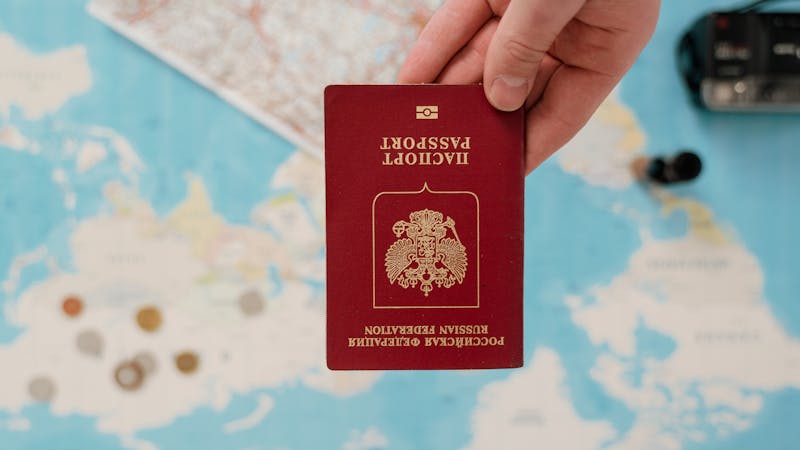
The Super Visa allows parents and grandparents of Canadian citizens and permanent residents to visit Canada for extended periods — up to five years per entry — without the need to renew their status annually. This pathway has become the cornerstone of family reunification in Canada, offering a bridge between standard visitor visas and the often-backlogged permanent residency programs.
For many families settled in Canada, the distance from aging parents and grandparents can be a significant emotional burden. While Canada’s immigration system offers various pathways for family reunification, the Parent and Grandparent Program (PGP) is restricted by a lottery system and strict annual quotas. In contrast, the Super Visa provides a more predictable and accessible alternative for families who want to spend years together under one roof. In 2022, the Canadian government implemented landmark changes to the Super Visa, extending the length of stay from two years to five years per entry, with the option to apply for a two-year extension once inside Canada. This means a parent could potentially stay for up to seven consecutive years before needing to exit the country.
What Is the Super Visa?
The Super Visa is a multi-entry temporary resident visa specifically for parents and grandparents of Canadian citizens or permanent residents. Unlike a standard ten-year multiple-entry visa, which typically only allows for a six-month stay at a time, the Super Visa is designed for long-term residency without the complexity of permanent resident status. Introduced in 2011 and significantly updated in 2022, it allows eligible parents and grandparents to stay in Canada for up to five years per entry (increased from two years in the 2022 update), with the visa itself valid for up to 10 years.
This makes it a practical long-term solution for families who want to keep parents close while waiting for the Parents and Grandparents sponsorship program lottery. It is important to distinguish that while the Super Visa allows for long-term stays, it is still a "visitor" visa. Holders are generally not entitled to work in Canada, do not have access to provincial health insurance (OHIP, MSP, etc.), and do not count toward Canadian citizenship residency requirements. However, the stability it provides—knowing your parents can stay for five years without the stress of frequent renewals—is invaluable for family planning and domestic stability.
Who Can Apply for a Super Visa?
Eligibility for the Super Visa is strictly limited to the direct parents and grandparents of Canadian citizens or permanent residents. Dependents of the parents or grandparents (such as siblings of the host) cannot be included on a Super Visa application. If a parent has a dependent child, that child must apply for a regular Temporary Resident Visa (TRV) separately, and their stay would generally be limited to six months unless extended.
The Canadian host (the child or grandchild) must meet several criteria to qualify as a "sponsor" for the application:
- They must be a Canadian citizen or a permanent resident of Canada.
- They must provide a written commitment of financial support (the Invitation Letter).
- They must meet or exceed the minimum income requirements based on their household size.
- They must demonstrate their status in Canada through a birth certificate, citizenship card, or PR card.
The Applicant's Requirements
On the applicant side, the parent or grandparent must be admissible to Canada. This means they must not have a criminal record or represent a security risk. They must also undergo an immigration medical examination. Unlike a regular visitor visa, where an officer looks heavily at the applicant's ties to their home country to ensure they will leave, the Super Visa is more flexible because it acknowledges the applicant's intent to stay for a very long period. However, the applicant must still demonstrate they have a valid reason to return home eventually and that they have sufficient ties to their country of origin.
Expert Tip: When submitting your application, include a detailed "Statement of Purpose." While the Super Visa allows for long stays, IRCC officers still look for "dual intent." Demonstrating that your parents have a primary residence or family ties back home can significantly reduce the risk of a visa refusal based on "lack of ties to home country."
Income Requirement: Meeting the LICO Threshold
The host must demonstrate income above the Low Income Cut-Off (LICO) threshold. The LICO ensures that the Canadian child or grandchild has the financial means to support their visiting family members without becoming a burden on the Canadian social safety net. For the Super Visa, the income requirement is based on the total number of people in the host's household, plus the number of parents/grandparents being invited.
For 2025 and 2026, the income thresholds have been adjusted for inflation. It is essential to use the most recent tax year’s Notice of Assessment (NOA) from the Canada Revenue Agency (CRA) as primary proof. If you are applying in early 2025, your 2024 NOA will be the most critical document. If you do not have an NOA, you may use T4s, T5s, or employment letters, but the NOA remains the gold standard for IRCC officers.
Estimated LICO Requirements for 2025-2026
| Size of Family Unit | Minimum Gross Annual Income (Estimated) |
|---|---|
| 1 person (Host alone) | $29,380 |
| 2 persons (Host + Spouse OR 1 Parent) | $36,570 |
| 3 persons (Host + Spouse + 1 Parent) | $44,950 |
| 4 persons (Host + Spouse + 2 Parents) | $54,580 |
| 5 persons | $61,900 |
| 6 persons | $69,820 |
| 7 persons | $77,740 |
| Each additional person | +$7,920 |
Wait times for NOAs can sometimes delay applications. We recommend ensuring your taxes are filed as early as possible in the first quarter of the year to ensure you have the necessary documentation for a mid-year application.
Medical Insurance Requirement: A Non-Negotiable Pillar
Because Super Visa holders are not eligible for Canada’s publicly funded universal healthcare, they must carry private medical insurance. This is one of the most common reasons for application delays or refusals. The insurance must meet very specific criteria set by IRCC:
- The policy must provide at least $100,000 CAD in emergency coverage.
- It must be valid for at least one year from the date of entry into Canada.
- It must cover healthcare, hospitalization, and repatriation (returning the person to their home country in case of severe illness or death).
- It must be issued by a Canadian insurance company (though foreign insurance may be considered in rare, specific circumstances, Canadian providers are the standard).
- Proof of payment in full must be submitted with the application (quotes or unpaid policies are not accepted).
New for 2025: Many Canadian insurers now offer monthly payment plans for Super Visa insurance. However, IRCC typically requires proof that the first year is either paid in full or that a valid contract is in place that meets all regulatory requirements. In the event the visa is refused, most Canadian insurers will provide a full refund minus a small administrative fee. If the parent leaves Canada before the one-year mark, a partial refund for the "unused" portion of the policy may be available, provided no claims have been made.
Rates for this insurance fluctuate based on the applicant's age and pre-existing conditions. For a parent in their late 60s with no major health issues, expect to pay between $1,500 and $2,500 CAD per year. For parents over 80 or those with heart conditions or diabetes, premiums can exceed $5,000 CAD annually.
The Application Process: Step-by-Step
The Super Visa application is primarily processed online through the IRCC portal. The current average processing time varies by country of origin, ranging from a few weeks to several months. In 2025, IRCC has aimed to keep processing times for Super Visas under 120 days for most regions.
Step 1: Document Gathering
The applicant will need a valid passport with at least six months of validity (though ideally, the passport should be valid for the full five or ten years of the visa). You will also need digital copies of the host’s proof of citizenship/PR, the host’s financial documents, and the medical insurance policy.
Step 2: The Invitation Letter
This is a formal letter written by the child or grandchild in Canada. It must include the applicant's full name and date of birth, the host's address and phone number, and a detailed plan for how the host will support the parent. It should also state the host’s household size and include a signed promise of financial support.
Step 3: Medical Exam and Biometrics
Once the application is submitted, IRCC will issue a request for biometrics (fingerprints and photo) and a medical exam. The medical exam must be performed by an IRCC-authorized panel physician. The doctor will check for conditions that could pose a risk to public health or cause "excessive demand" on Canada's health services. While the "excessive demand" threshold is higher for visitors than for PR applicants, chronic conditions that require expensive, frequent hospitalization could still be a point of concern.
Step 4: Visa Issuance
If approved, the applicant will receive a request to send their passport to a Visa Application Centre (VAC) for the visa stamping. Residents of visa-exempt countries (like the UK or many EU nations) will receive a Letter of Introduction to present to the border officer, and their Super Visa status will be electronically linked to their passport via an eTA (Electronic Travel Authorization).
Super Visa vs. Parents and Grandparents Program (PGP)
Choosing between the Super Visa and the PGP depends on your family's long-term goals. The PGP grants Permanent Residency, which means the parents can work, access free healthcare, and eventually apply for citizenship. However, the PGP is notoriously difficult to enter. The lottery system only opens occasionally, and the number of applicants far exceeds the available spots (often 100,000+ applicants for 15,000–20,000 spots).
The Super Visa is "on-demand." You can apply at any time, and as long as you meet the requirements, the approval rate is relatively high. Many families choose to apply for the Super Visa so their parents can be in Canada now, while simultaneously entering the PGP lottery every year in hopes of securing PR in the future.
Life in Canada on a Super Visa
While living in Canada for up to five years, parents are encouraged to integrate into their local communities. However, there are practical considerations. Since they do not have a Social Insurance Number (SIN), they cannot work for Canadian employers. They are allowed to volunteer and engage in unpaid community work. They are also permitted to study for short durations (less than six months) without a study permit.
For transportation, most provinces allow visitors to drive on a foreign license for a short period (usually 60-90 days). For a five-year stay, parents will likely need to obtain an International Driving Permit (IDP) before leaving their home country or look into provincial regulations for obtaining a local visitor’s driver’s license, which varies significantly between provinces like Ontario, British Columbia, and Alberta.
Common Reasons for Refusal
Despite meeting the income and insurance requirements, some applications are denied. Common reasons include:
- Inadequate Financial Proof: Using bank statements instead of the required CRA Notice of Assessment.
- Incomplete Insurance: Providing a policy that does not cover repatriation or has a deductible higher than what is allowed by the specific visa office.
- Medical Inadmissibility: A physician finding a condition that may require emergency care that the parent cannot demonstrate they can pay for.
- Host's Family Size: Miscalculating the LICO because the host forgot to include a newborn child or a spouse in the household count.
Frequently Asked Questions
Can my parents work in Canada while on a Super Visa?
No. The Super Visa is a visitor visa. It does not grant the right to work in the Canadian labor market. To work in Canada, an individual generally needs a work permit. If your parent wishes to work, they would likely need to apply for a separate work permit based on a Labor Market Impact Assessment (LMIA) or another specialized program.
What happens if the five-year stay expires and they want to stay longer?
Super Visa holders can apply for an extension of their stay while still in Canada. Under the current rules, they can apply for an extension of up to two years. This application should be submitted at least 30 days before their current status expires. This allows a total potential stay of up to seven years before they must exit Canada and re-enter.
Do I need to pay for the full year of insurance if my parents only stay for 3 months?
IRCC requires proof of a one-year policy for the application and entry. However, if your parents leave Canada earlier than expected, most Canadian insurance providers will refund the remaining portion of the premium, provided no medical claims were filed during their stay. Always check the specific refund policy of your insurance provider before purchasing.
Disclaimer: Immigration laws and LICO requirements change frequently. This article is intended for informational purposes only and does not constitute legal advice. For specific legal guidance regarding your application, consult with a Regulated Canadian Immigration Consultant (RCIC) or an immigration lawyer.